Explore the Blog

Insights for the
Digital Era

Page 4 of 30

Join the Community

Login to start writing and sharing your insights.

AI Agents: Revolutionizing the Future of Work and Business in 2026
Technologies
Aug 12, 2026 ⏱ 2 min

AI Agents: Revolutionizing the Future of Work and Business in 2026

The Rise of AI Agents in 2026As technology continues to evolve, AI agents are at the forefront of transforming the business landscape, particularly as we move further into 2026. These AI-powered tools not only enhance business efficiencies but also innovate how we approach daily tasks.Understanding AI AgentsAI agents are sophisticated systems designed to perform tasks autonomously. These agents leverage machine learning algorithms and data analytics to make decisions, interact with environments, and continuously improve.Impact on Business OperationsBy integrating AI agents into business operations, companies can automate routine processes, enhance customer service, and drive strategic insights. This not only streamlines workflow but allows human resources to focus on more creative and strategic endeavors.Key Benefits of AI AgentsEfficiency Improvement: Automation of routine tasks leads to faster completion and reduced manual workload.Cost Reduction: Companies can lower operational costs by minimizing the need for human intervention in repetitive chores.Enhanced Decision-Making: Data-driven insights provide businesses with a competitive edge.Challenges in ImplementationWhile AI agents offer various benefits, businesses face challenges such as data privacy concerns, integration complexities, and a need for continuous system updates to keep up with technological advancements.Future TrendsLooking ahead, the development of AI agents is expected to further integrate with emerging technologies like IoT and blockchain. This integration will likely foster a more connected and efficient global business environment.Moreover, AI agents will become more intuitive, enabling deeper personalization in customer interactions and fostering innovation across industries, from healthcare to finance.ConclusionAs the adoption of AI agents continues to grow, it's evident that they will play a crucial role in shaping the future of work and business. Companies investing in these technologies stand to gain significant competitive advantages in the years to come.

Artificial Intelligence in 2026: Transforming Tomorrow's Daily Life
Technologies
Aug 12, 2026 ⏱ 2 min

Artificial Intelligence in 2026: Transforming Tomorrow's Daily Life

Introduction to AI: A Glimpse Into 2026Artificial Intelligence (AI) has been a cornerstone of technological advancement, with transformative impacts on various sectors. By 2026, AI is not just a futuristic concept; it is an integral part of our everyday lives. From the moment you wake up to the time you sleep, AI technologies streamline tasks, enhance efficiency, and create new possibilities.This transformation is not just limited to the individual user. Businesses, industries, and governments are equally harnessing the power of AI to innovate and build future-ready solutions.The Impact of AI in Daily LifeSmart Homes: The New StandardImagine waking up as your morning coffee brews itself, lights adjust to your preferred setting, and the news is read out by your digital assistant—all coordinated by AI. This is the smart home of 2026.Energy Efficiency: AI optimizes energy usage, reducing costs and environmental impact.Enhanced Security: AI-powered security systems provide real-time monitoring and alerts.AI in Healthcare: A Silent RevolutionHealthcare is one of the clearest examples of AI's potential. By 2026, AI-driven tools assist in diagnosis, manage patient records intelligently, and even suggest treatment options based on vast datasets of medical histories and outcomes.AI in the WorkplaceRe-imagining Office SpacesAI has fundamentally reshaped the workplace, facilitating remote collaboration and augmenting human productivity. Smart office environments adapt to the needs of employees, optimizing lighting, temperature, and space utilization automatically.AI tools handle routine tasks, allowing employees to focus on creativity and innovation.Challenges and Ethical ConsiderationsWhile AI brings numerous benefits, it also raises ethical concerns. Issues like data privacy, surveillance, and job displacement are at the forefront of discussions about AI's role in society. Policymakers are working to address these challenges through legislation and ethical guidelines.The Future of AI: What to ExpectLooking ahead, AI will continue to advance, becoming more intuitive and integrated into society. Innovations in machine learning algorithms, neural networks, and computational power suggest a future where AI not only supports human activities but also enhances human capabilities.As we progress into this AI-driven era, the collaboration between humans and machines promises to unlock new heights for creativity and problem-solving. The journey of AI is just beginning, and its potential is boundless.

The Future of Smartphones: AI, Foldable Devices, and Emerging Mobile Technologies
Technologies
Aug 12, 2026 ⏱ 3 min

The Future of Smartphones: AI, Foldable Devices, and Emerging Mobile Technologies

Introduction The smartphone industry is witnessing a transformative evolution characterized by cutting-edge technologies that promise to redefine our mobile experiences. Recent advancements in artificial intelligence, foldable displays, and other emerging technologies are setting the stage for a future where smartphones do significantly more than just connect people. This article delves into what's next for smartphones, focusing on innovations like AI, foldable devices, and more. The Rise of Artificial Intelligence in Smartphones Smart Assistants and Beyond Artificial intelligence on smartphones has shifted from simple voice assistants to comprehensive AI-powered ecosystems. These intelligent systems enhance productivity by predicting user behavior, managing tasks, and even offering personalized recommendations. For instance, AI can now optimize battery usage, automate routine tasks, and even provide real-time language translation, making communication across the globe seamless. AI and Enhanced Photography AI is revolutionizing smartphone photography through advanced image processing capabilities that improve picture quality in low-light conditions and provide stunning photo enhancements automatically. Features like scene recognition, auto-adjusting settings, and instant photo editing have made capturing perfect pictures easier than ever. Foldable Devices: A Gateway to Larger Displays The Technology Behind Bending Screens Foldable smartphones are gaining traction as manufacturers continue to innovate with flexible screen technologies. These devices are equipped with OLED screens that offer durability and adaptability, allowing for seamless transitions between tablet-sized displays and pocket-friendly smartphones. This flexibility caters to both productivity enthusiasts and entertainment seekers who need larger screen real estate on-the-go. Challenges in Foldable Technology Despite their promise, foldable smartphones face challenges such as high production costs and concerns over long-term durability. Nonetheless, as technology advances and manufacturing processes become more cost-effective, these issues are expected to diminish. Other Emerging Mobile Technologies 5G Connectivity and Beyond With the rollout of 5G networks, smartphones stand to benefit from unprecedented speeds and ultra-reliable low-latency communications, enabling new applications such as augmented reality, lag-free gaming, and enhanced streaming services. While 5G is already progressing, future developments in 6G promise an even more connected world. Biometrics and Security Enhancements Smartphones are at the forefront of biometric security innovations. From fingerprint scanners to facial recognition, mobile devices are incorporating advanced features to keep user data secure. Future enhancements may include holographic displays and under-display fingerprint sensors, aiming to provide seamless yet secure authentication methods. Conclusion The future of smartphones is brimming with potential due to the rapid advancements in AI, display technologies, and connectivity. As these devices become more sophisticated, our reliance on them for daily tasks will only increase. Consumers can look forward to smarter, more flexible, and more secure mobile experiences in the coming years. With continuous innovation, the future for smartphones is not just bright; it's boundless.

🧩 The Developer’s Guide to Creating Paid WordPress Plugins
Profit
Aug 08, 2026 ⏱ 8 min

🧩 The Developer’s Guide to Creating Paid WordPress Plugins

How to build, package, market, and sell premium WordPress plugins as digital productsWordPress powers a huge ecosystem of websites, from personal blogs and online stores to membership platforms and business websites. This creates a strong opportunity for developers who can identify recurring problems and turn their solutions into useful, reliable WordPress plugins.A paid plugin can be more than a piece of code. It can become a complete digital product with documentation, updates, support, licensing, and a sustainable revenue model.💡 What Is a Paid WordPress Plugin?A WordPress plugin extends the functionality of a WordPress website.Free plugins can be distributed through the official WordPress Plugin Directory, while premium plugins are commonly sold through a developer's own website, marketplaces, or commercial distribution channels.Examples of plugin categories include:🛒 E-commerce tools📧 Email marketing🔎 SEO utilities⚡ Performance optimization🔐 Security features📊 Analytics📝 Form builders🎨 Design tools👥 Membership systems📅 Booking systems🤖 Automation toolsThe best commercial plugins usually solve a specific problem for a clearly defined customer.🎯 Start With a Problem, Not a PluginOne of the biggest mistakes developers make is starting with:"What plugin can I build?"A better question is:"What frustrating problem do WordPress users repeatedly encounter?"For example:❌ "I want to build an advanced plugin."Better:✅ "Store owners need a simpler way to generate invoices."Or:❌ "I want to make an SEO plugin."Better:✅ "Small business owners need an easy way to manage local SEO information."A product built around a real problem has a much clearer value proposition.🔎 Research Your Target CustomersBefore writing code, identify who will actually use the plugin.Potential audiences include:🧑‍💼 Small business owners🛒 WooCommerce store owners👨‍💻 Freelance developers🏢 Agencies📝 Bloggers🎓 Educators🏠 Real-estate professionals📸 Photographers👥 Membership-site ownersAsk:What are they trying to accomplish?What currently makes the process difficult?Which solutions are they already using?What do users dislike about those solutions?Would they pay for a better solution?🧱 Plan the Plugin Before CodingA professional plugin should have a clear architecture.A simplified structure might look like:my-plugin/ │ ├── my-plugin.php ├── includes/ ├── admin/ ├── public/ ├── assets/ ├── templates/ ├── languages/ ├── tests/ └── readme.txt The exact structure will depend on the plugin's complexity, but separating responsibilities makes maintenance easier.A plugin may contain:⚙️ Core functionality🖥️ Admin interface🌐 Front-end components🔌 API integrations💾 Database operations🔐 Permission controls🧪 Automated tests🌍 Translation files🛠️ Understand the WordPress Plugin ArchitectureWordPress provides several important APIs and systems that plugin developers should understand.🔗 HooksHooks allow plugins to interact with WordPress without modifying WordPress core.There are two major types:ActionsFilters⚙️ Settings APIUseful for creating administration settings.🧩 ShortcodesCan allow users to insert plugin functionality into content.🌐 REST APIUseful when your plugin needs to communicate with external applications or modern JavaScript interfaces.🗄️ Database APIsUseful when storing plugin-specific information.👤 User and Capability APIsImportant for controlling which users can perform administrative actions.Learning these fundamentals will make your plugin more compatible with WordPress.🔐 Security Should Be Built In From Day OneSecurity is especially important for commercial plugins because your code may be installed on many websites.Important principles include:🔑 Validate and Sanitize InputNever blindly trust user-provided information.🛡️ Escape OutputData should be safely escaped according to where it is being displayed.👤 Check PermissionsAdministrative operations should verify that the current user has the appropriate capability.🔒 Protect Sensitive OperationsUse appropriate WordPress security mechanisms such as nonces where applicable.🌐 Secure External RequestsBe careful when connecting to external APIs or services.🗄️ Handle Database Queries CarefullyAvoid unsafe construction of database queries from untrusted input.A commercial plugin should be treated as production software, not simply a code snippet that happens to work.🎨 Build a User-Friendly Admin InterfaceA technically impressive plugin can still fail if users don't understand how to configure it.The administration interface should be:🧭 Easy to navigate📱 Responsive where appropriate📝 Clearly labeled💡 Helpful⚡ Fast🎯 FocusedAvoid overwhelming users with dozens of settings on one screen.A better approach is to group settings logically:General → Configuration → Integrations → Advanced → License⚡ Performance MattersWordPress websites may contain many plugins.A poorly optimized plugin can negatively affect performance.Consider:Loading assets only where necessaryAvoiding unnecessary database queriesCaching expensive operationsOptimizing API requestsReducing unnecessary JavaScriptAvoiding heavy processing on every page requestA premium plugin should add functionality without unnecessarily slowing down the website.🧪 Test Before SellingTesting should cover more than whether the plugin works on your own computer.Test different:WordPress versionsPHP versions supported by your productHosting environmentsThemesPlugin combinationsUser rolesBrowsersAlso test:InstallationActivationConfigurationUpdatesDeactivationUninstallationError handlingData migration💎 Free vs Premium: Create a Product StrategyOne effective business model is to offer a free version with useful core functionality and a premium version with advanced features.🆓 Free VersionCould include:Basic functionalityLimited settingsCommunity supportSimple integrations💰 Premium VersionCould add:Advanced featuresAutomationMore integrationsPriority supportAdvanced reportsCustomization optionsPremium updatesThe free version should provide genuine value rather than functioning only as an advertisement.💵 Choose a Pricing ModelThere are several ways to monetize a WordPress plugin.🔄 Annual SubscriptionCustomers pay yearly for:UpdatesSupportPremium featuresLicense access💳 Lifetime LicenseCustomers pay once for a defined license period or lifetime access, depending on your terms.📦 Tiered PlansFor example:Starter — 1 websiteProfessional — Multiple websitesAgency — Many websites🧑‍💻 Agency LicensingAgencies may need to install the plugin across multiple client websites.This can become a valuable customer segment.🔑 Build a Licensing System CarefullyIf you sell premium software, you may want to manage:License keysActivation limitsSubscription statusExpiration datesUpdate permissionsCustomer accountsHowever, licensing should not make the plugin frustrating to use.Customers should understand:What they purchased → Where they can use it → How updates work → How support worksTransparency builds trust.🌐 Create a Professional Product WebsiteYour plugin website is effectively your digital storefront.A strong product page should communicate:What does the plugin do?Who is it for?What problem does it solve?What features are included?How much does it cost?Does it work with the customer's environment?Is there a demo?What support is included?📸 Demonstrate the Product VisuallyDon't rely entirely on text.Show:🖥️ Dashboard screenshots🎥 Short demo videos📊 Feature comparisons🧭 Setup walkthroughs🧩 Before-and-after examplesA customer should understand the product's value within seconds.📚 Documentation Is Part of the ProductA premium plugin should include useful documentation.At minimum, provide:🚀 Installation GuideExplain how to install and activate the plugin.⚙️ Configuration GuideWalk users through the important settings.🧩 Feature DocumentationExplain how each major feature works.❓ FAQAnswer common questions.🛠️ TroubleshootingProvide solutions for common problems.🔄 Update GuideExplain how updates and migrations work.🧑‍💻 Customer Support Can Become Your Competitive AdvantageTwo plugins can offer similar functionality, but the company providing better support can win more customers.Support options can include:📧 Email support💬 Help desk📚 Knowledge base🎥 Video tutorials🐞 Bug-reporting system💬 Community forumClearly define what your support covers.For example:Included: Installation and plugin-related configuration issues.Not included: Custom development of unrelated website functionality.Clear boundaries help both you and your customers.🔄 Plan for UpdatesWordPress evolves continuously.Your plugin may need updates because of:WordPress changesPHP updatesBrowser changesSecurity discoveriesAPI changesCompatibility issuesA commercial plugin should therefore have a maintenance plan.A useful development cycle might be:Research → Develop → Test → Release → Monitor → Improve📊 Track What Customers Actually UseAnalytics can help you understand product performance.Useful business metrics include:👥 Active customers💰 Revenue🔄 Renewal rate📥 Downloads🆕 New installations🐞 Support requests⭐ Reviews📈 Conversion rateProduct feedback is especially valuable.If many customers ask for the same feature, that may indicate an opportunity for the next version.📣 How to Market Your PluginCreating a great plugin doesn't guarantee sales.You need distribution.📝 SEO ContentWrite articles that solve problems related to your plugin.For example, if you create a WooCommerce shipping plugin:Free article:"How to Calculate Local Delivery Fees"Product:"Automated Local Delivery Management for WooCommerce"🎥 YouTube TutorialsCreate videos demonstrating:InstallationSetupCommon problemsAdvanced featuresReal-world examplesEducational content can attract people already searching for solutions.📱 Social MediaShare:Feature demonstrationsQuick tutorialsCustomer success storiesDevelopment updatesTips and tricks🛍️ Marketplace vs Your Own WebsiteYou can distribute a premium plugin through different channels.Approach | Advantages | Challenges | 🌐 Own Website | Full control | Must generate traffic | 🛍️ Marketplace | Existing audience | Platform fees/rules | 🤝 Agency Partnerships | Larger clients | Relationship management | 📢 Affiliate Program | More promotion | Commission costs | Many developers eventually combine several channels.🚀 A Practical Development RoadmapPhase 1 — ResearchIdentify a specific problem and target audience.Phase 2 — MVPBuild the smallest useful version.Phase 3 — TestingTest functionality, security, performance, and compatibility.Phase 4 — BetaGive selected users access and collect feedback.Phase 5 — LaunchCreate:Product websiteDocumentationPricingDemoSupport systemPhase 6 — MarketingPublish educational content and promote the plugin.Phase 7 — MaintenanceRelease updates, fix bugs, and improve features.💡 Plugin Ideas With Commercial PotentialPotential categories include:🛒 E-CommerceInventory tools, order management, shipping utilities, product customization.📊 AnalyticsSimple dashboards and specialized reporting.📅 BookingScheduling and appointment management.🧑‍💼 Business ToolsInvoices, quotations, customer management, workflow automation.📝 ContentEditorial workflows, content management, specialized publishing tools.🔗 IntegrationsConnect WordPress with external business systems and APIs.⚡ PerformanceSpecialized optimization and monitoring tools.The strongest opportunity is usually where a specific audience has a recurring problem and existing solutions are difficult, expensive, or unnecessarily complicated.⚠️ Common Mistakes to Avoid❌ Building Too Many FeaturesStart with a focused product.❌ Ignoring DocumentationUsers need guidance.❌ Neglecting SecurityA vulnerability can damage your reputation and your customers.❌ Underestimating SupportPremium customers expect assistance.❌ Copying CompetitorsStudy competitors, but build your own differentiated product.❌ Launching Without TestingCompatibility problems can create expensive support issues.❌ Forgetting MaintenanceSoftware requires ongoing development.🌟 Final ThoughtsCreating a paid WordPress plugin can turn programming skills into a scalable digital-product business.But the real product isn't just the plugin.It's the complete experience:🧩 Reliable Software🎨 Simple Interface🔐 Strong Security⚡ Good Performance📚 Clear Documentation🛠️ Regular Updates💬 Quality Support📢 Effective MarketingStart with a specific problem, build a focused solution, test it thoroughly, and listen carefully to your customers.A small plugin that solves one painful problem extremely well can be more valuable than a huge plugin filled with features nobody needs.Build for a real problem. Make it easy to use. Keep it reliable. Then turn your code into a product customers are happy to pay for.

🚨 Monetizing Tech Troubleshooting: Offering Emergency Database Recovery Services
Profit
Aug 08, 2026 ⏱ 8 min

🚨 Monetizing Tech Troubleshooting: Offering Emergency Database Recovery Services

How technical professionals can turn database troubleshooting skills into a specialized emergency IT serviceWhen a business database stops working, the consequences can be serious. Orders may become inaccessible, customer records may be unavailable, applications can fail, and employees may be unable to perform essential tasks.This is why emergency database recovery can become a valuable technical service. Companies don't simply need someone who understands databases—they need someone who can respond carefully, diagnose the problem, protect the remaining data, and restore operations with minimal additional risk.🗄️ What Is Emergency Database Recovery?Emergency database recovery is the process of responding to a database failure or data-access incident and working toward restoring availability and integrity.Potential incidents include:💥 Database crashes🖥️ Server failures💾 Storage failures🗑️ Accidental deletion⚙️ Configuration errors🔄 Failed migrations🦠 Malware or ransomware incidents🔐 Access and authentication problems📦 Corrupted database files🌐 Network or infrastructure failuresThe exact recovery procedure depends heavily on the database platform, infrastructure, backups, and nature of the incident.💰 Why Emergency Recovery Can Be a Valuable ServiceMany businesses can tolerate a normal technical problem for a few hours or days.A database outage can be different.Consider a business that relies on a database for:🛒 E-commerce orders💳 Transactions👥 Customer information📦 Inventory🧾 Invoices🏥 Operational records📊 Business analyticsEvery hour of downtime may create operational disruption.This creates demand for specialists who can provide rapid, structured, and professional incident response.🧠 The Most Important Rule: Protect Before RecoveringWhen data is potentially damaged, the first instinct may be to immediately start repairing files or running aggressive recovery commands.That can make the situation worse.A professional recovery workflow should prioritize:Stop → Assess → Preserve → Back Up → Diagnose → Recover → VerifyThe objective is to avoid making irreversible changes before understanding what happened.🚨 Common Emergency Database Scenarios1. 💥 Database CrashA database may become unavailable following:Unexpected server shutdownHardware failureSoftware errorsStorage problemsResource exhaustionThe first task is determining whether the issue is with the database itself or the underlying infrastructure.2. 🗑️ Accidental Data DeletionAn employee may accidentally delete:A tableRecordsA databaseConfiguration dataRecovery options depend on the available backups, transaction logs, replication, snapshots, and database technology.3. 💾 Storage FailureDatabase files may be stored on:Local disksRAID arraysNetwork storageCloud storageVirtualized infrastructureIf the underlying storage is failing, continuing to operate the system may increase the risk of additional data loss.4. 🔄 Failed MigrationDatabase migrations can fail because of:Schema incompatibilitiesApplication changesIncorrect configurationsInsufficient storageVersion differencesIncomplete migration proceduresA professional recovery specialist should understand both the old and target environments.🔐 Security Incidents and Database RecoverySecurity incidents can complicate recovery.If unauthorized activity or malware is suspected, simply restoring the database may not solve the problem.The organization should also consider:🔎 How the incident occurred👤 Which accounts were affected🖥️ Which systems were compromised🛡️ Whether credentials need to be rotated📋 Whether logs should be preserved🔄 Whether backups are trustworthy⚖️ Whether incident-response or legal requirements applyIn serious cases, database recovery should be coordinated with the organization's cybersecurity and incident-response teams.🧰 Technologies You May Need to UnderstandA database recovery specialist should have a strong understanding of the systems they support.Common database technologies include:🐬 MySQL🐘 PostgreSQL🏢 Microsoft SQL Server🟠 Oracle Database☁️ Cloud-managed databases📦 NoSQL databasesYou should also understand the infrastructure surrounding the database:LinuxWindows ServerVirtual machinesContainersCloud infrastructureStorage systemsNetworkingBackup platformsThe database is only one part of the overall system.💾 Backups Are the Foundation of RecoveryThe best emergency recovery strategy is usually not trying to reconstruct a database from damaged files.It is having reliable backups before the incident happens.A strong backup strategy can include:🗂️ Full BackupsComplete copies of the database.🔄 Incremental BackupsCopies containing changes since a previous backup.📜 Transaction LogsDepending on the database platform, transaction logs can help support point-in-time recovery.☁️ Off-Site BackupsCopies stored separately from the primary environment.🔐 Immutable or Protected BackupsBackups designed to reduce the possibility of unauthorized modification or deletion.📊 Understanding RPO and RTOTwo important concepts in disaster recovery are RPO and RTO.⏱️ RPO — Recovery Point ObjectiveRPO answers:How much data can the business afford to lose?For example, an RPO of one hour means the organization aims to recover data to a point no more than approximately one hour before the incident.🚀 RTO — Recovery Time ObjectiveRTO answers:How quickly must the system be restored?For example, a business may define an RTO of four hours for a critical database.These objectives help determine the appropriate backup and recovery architecture.🛠️ A Professional Emergency Recovery WorkflowStep 1 — Receive the IncidentCollect basic information:What happened?When did it happen?Which database is affected?Is the application still running?Were any changes made immediately before the incident?Step 2 — Stabilize the EnvironmentAvoid unnecessary changes.If the system is actively failing, determine whether it should be isolated or shut down according to the organization's incident-response procedures.Step 3 — Preserve Evidence and DataBefore making significant changes, preserve relevant information where appropriate.This may include:LogsBackupsSnapshotsDatabase metadataError messagesSystem informationStep 4 — Identify Recovery OptionsDetermine what resources are available:Backup → Snapshot → Replica → Transaction Logs → Other approved recovery sourcesStep 5 — Recover in a Controlled EnvironmentWhere practical, perform recovery on a separate system or controlled environment first.Step 6 — Verify the DataRecovery isn't complete just because the database starts.Verify:TablesRecordsRelationshipsApplicationsPermissionsData consistencyStep 7 — Return to ProductionOnly after appropriate validation should the recovered database be returned to normal operations.📋 Verification Is CriticalA database that successfully starts may still contain problems.For example:Database online ✅Application online ✅Some records missing ❌Therefore, recovery verification should involve technical checks and, where appropriate, confirmation from the business owner.Useful validation can include:Record countsApplication functionalityReferential integrityRecent transactionsUser accessCritical reportsBusiness workflows💼 Turning Recovery Skills Into a BusinessEmergency database recovery can be offered as a specialized technical service.Possible service packages include:🟢 Database Health CheckReview the database environment and identify risks.🔵 Backup AuditReview backup configuration and recovery procedures.🟠 Recovery Readiness AssessmentDetermine whether the organization can realistically recover after a failure.🔴 Emergency RecoveryProvide authorized technical assistance during a database incident.🟣 Disaster Recovery PlanningDesign recovery procedures before an emergency happens.💵 How to Structure Your PricingEmergency technical services can be priced in different ways.⏰ HourlyCharge according to the time spent.📦 Fixed ProjectCharge a predefined amount for a specific recovery or assessment.🚨 Emergency PremiumEmergency availability can have a higher rate because it requires rapid response and scheduling flexibility.🛡️ RetainerBusinesses can pay for ongoing support and priority access.📅 Managed ServiceProvide regular database monitoring, backup verification, maintenance, and recovery planning.The best pricing model depends on the complexity of the environment and the level of responsibility involved.🎯 Finding Your First CustomersPotential customers include organizations that depend heavily on databases but don't have dedicated database administrators.Examples:🛒 E-commerce companies🏪 Retail businesses🏭 Manufacturers🏢 Professional services🏫 Educational organizations🏨 Hospitality businesses🚚 Logistics companies🧑‍💼 Small and medium-sized businessesA good starting point is to offer preventive services rather than waiting for a disaster.For example:"I can review your backup and recovery configuration and identify whether your business could actually recover after a database failure."That is easier to sell proactively than an emergency service nobody hopes to need.📣 Marketing Your Database Recovery ServiceCreate content that demonstrates expertise without exposing confidential customer information.Examples:Blog Articles"5 Database Backup Mistakes Small Businesses Make""How to Prepare for a Database Failure""RPO vs RTO Explained""Why Database Backups Should Be Tested""How to Build a Database Disaster Recovery Plan"Social MediaCreate short educational posts:🚨 What happens if your database fails today?Having a backup isn't enough.Can you restore it successfully?Free ChecklistOffer a downloadable:"Database Recovery Readiness Checklist"This can attract potential customers and build an email list.🧑‍💻 Skills You NeedA professional database recovery specialist should develop skills in several areas.🗄️ Database AdministrationUnderstand database architecture, backups, logs, permissions, and maintenance.🖥️ Systems AdministrationLearn Linux and Windows server environments.🌐 NetworkingUnderstand how applications communicate with database servers.☁️ Cloud InfrastructureLearn cloud databases, storage, snapshots, identity, and recovery mechanisms.🔐 SecurityUnderstand authentication, authorization, encryption, access control, and incident response.📝 DocumentationDocument every important recovery step.⚠️ Avoid These Common MistakesEmergency recovery is not the right environment for experimentation.Avoid:❌ Working without authorization❌ Modifying original data unnecessarily❌ Overwriting potentially useful backups❌ Running untested recovery procedures on production❌ Assuming a backup is valid without testing it❌ Ignoring security implications❌ Promising guaranteed recovery❌ Failing to document changesWhen data is critical, preservation and controlled recovery should take priority over speed alone.🔄 From Emergency Recovery to Recurring RevenueThe most sustainable business model may not be emergency recovery itself.After helping a customer recover from an incident, you can offer preventive services:Emergency Recovery⬇️Backup Assessment⬇️Recovery Testing⬇️Monitoring⬇️Disaster Recovery Planning⬇️Managed Database SupportThis transforms a one-time emergency engagement into a long-term technical relationship.🤖 The Role of Automation and AIAutomation can help database professionals monitor environments and identify potential problems earlier.Examples include:📊 Monitoring database health🚨 Alerting on unusual resource usage💾 Checking backup completion🔎 Detecting failed jobs📈 Tracking performance metrics📝 Generating operational reportsAI can also assist with documentation, log analysis, troubleshooting suggestions, and knowledge management.However, automated recommendations should be reviewed carefully before being applied to production systems—especially during a recovery incident.🌟 Final ThoughtsEmergency database recovery is a specialized service built around technical expertise, preparation, careful troubleshooting, and trust.The opportunity isn't simply to repair databases after they fail.A stronger business model is to help organizations answer a more important question:"If our database fails tomorrow, can we recover?"By combining:🗄️ Database expertise💾 Backup management🔐 Security awareness☁️ Disaster recovery📊 Monitoring📝 Professional documentationyou can build a valuable technical service for businesses that depend on their data.The best database recovery professional doesn't just react to emergencies.They help businesses prepare so that the next emergency is smaller, faster, and easier to recover from.

📚 Creating and Selling Technical Documentation and Step-by-Step Guides
Profit
Aug 08, 2026 ⏱ 8 min

📚 Creating and Selling Technical Documentation and Step-by-Step Guides

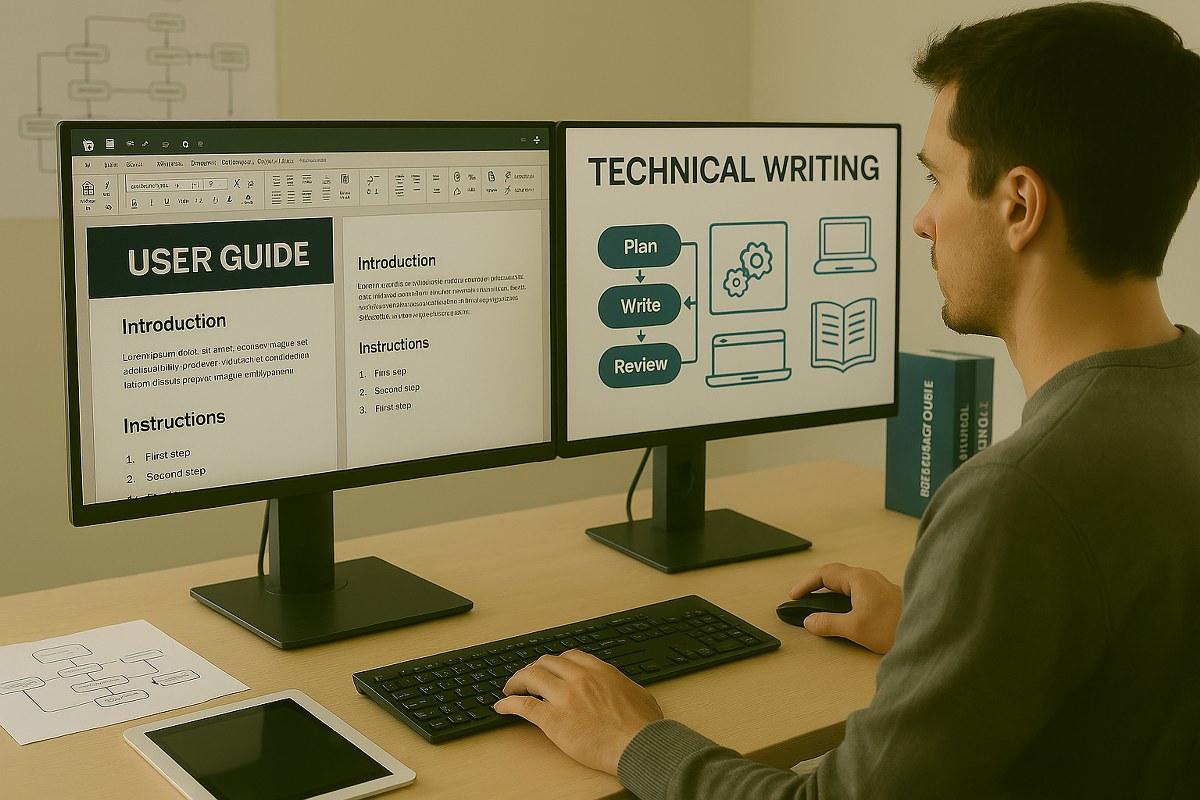
How to turn your technical knowledge into valuable digital products, tutorials, manuals, and downloadable guidesTechnical knowledge has become a valuable digital product. Developers, IT professionals, designers, engineers, educators, and experienced hobbyists can transform what they know into technical documentation, step-by-step guides, tutorials, checklists, and practical manuals.Instead of selling only your time through consulting or freelance work, you can package your knowledge into reusable resources that customers can purchase and download whenever they need them.💡 What Is Technical Documentation?Technical documentation explains how a product, system, process, or technology works.It can be created for different audiences, including:👨‍💻 Developers🧑‍💼 Business owners🛠️ Technicians🎓 Students🖥️ IT administrators🎨 Designers🧑‍🔧 DIY enthusiasts📱 Software usersExamples include:📘 User manuals🧑‍💻 Developer documentation⚙️ Installation guides🔧 Troubleshooting manuals📋 Checklists🧪 Testing procedures🗺️ Configuration guides📚 E-books📝 Step-by-step tutorials📊 Technical reference sheetsThe key is to solve a specific problem clearly and efficiently.💰 Why Technical Guides Can Become Digital ProductsA traditional service usually requires you to work with each customer individually.A digital guide can be created once and sold repeatedly.For example, imagine you create a guide called:"Beginner's Guide to Setting Up a Small Business Website"The guide could include:Choosing a domainSelecting hostingInstalling the websiteConfiguring essential settingsAdding securityOptimizing performanceTesting the websiteLaunch checklistOnce completed, the document can potentially be sold to many customers without recreating the entire guide.🎯 Choose a Specific ProblemOne of the biggest mistakes when creating technical documentation is trying to explain everything.A better strategy is to solve one clearly defined problem.Instead of:❌ "Complete Guide to Computers"Create something more specific:✅ "How to Set Up a Secure Home Wi-Fi Network"Instead of:❌ "Learn Programming"Create:✅ "Beginner's Guide to Building a PHP MySQL Website"Instead of:❌ "SEO Guide"Create:✅ "Step-by-Step SEO Checklist for Small Business Websites"Specific products are easier to understand, market, and position.🔎 Research What Customers NeedBefore creating a guide, investigate the questions people are already asking.Useful research methods include:🔍 Search EnginesLook for recurring questions and problems.💬 Online CommunitiesForums and communities can reveal what beginners struggle with.⭐ ReviewsStudy reviews of existing books, courses, and software.Look for complaints such as:"The instructions are confusing.""There aren't enough screenshots.""The guide is outdated.""I don't understand step 5.""There are no practical examples."Those complaints can become opportunities.🧑‍💻 Your Own ExperienceIf you've solved the same problem repeatedly for clients, students, coworkers, or yourself, you may already have the foundation for a useful guide.📝 Build a Clear StructureA professional technical guide should have a logical progression.A simple structure could be:1. IntroductionExplain what the guide helps the reader accomplish.2. RequirementsList:SoftwareHardwareAccountsFilesSkillsPrerequisites3. PreparationExplain what needs to happen before starting.4. Step-by-Step InstructionsBreak the process into manageable stages.5. TroubleshootingExplain common problems and solutions.6. VerificationShow the reader how to confirm that everything works.7. Next StepsProvide suggestions for further improvement.8. Quick ReferenceEnd with a concise checklist or summary.🧩 Make Every Step Easy to FollowA good technical guide should answer three questions:What should I do?How do I do it?What should I see afterward?For example:Step 1 — Open the Settings PanelOpen the application's settings menu and select Security.📌 Expected result:The Security Settings page should appear.Step 2 — Enable AuthenticationSelect the authentication option and configure the required method.📌 Expected result:The authentication status should change to Enabled.Step 3 — Test the ConfigurationLog out and attempt to sign in again.📌 Expected result:The system should request the configured authentication method.This format makes technical instructions much easier to follow.📸 Screenshots Can Increase the ValueTechnical documentation is often much easier to understand when written instructions are supported by visuals.Useful visual elements include:🖼️ Screenshots➡️ Arrows🔴 Highlighted buttons📊 Diagrams🗺️ Flowcharts📋 Tables💻 Code examples🧩 Architecture diagramsFor software documentation, screenshots can show users exactly where to click instead of forcing them to guess.🎨 Create Professional PDF GuidesA technical guide doesn't have to look like a plain text document.Professional design can include:🖋️ Consistent typography🎨 Brand colors📑 Table of contents🏷️ Section headings📦 Information boxes📸 High-quality screenshots🔢 Page numbers🔗 Clickable links📋 ChecklistsA clean design makes the document easier to navigate and can increase its perceived value.🤖 Using AI to Accelerate DocumentationArtificial intelligence can help with many parts of the documentation process.For example, AI can assist with:📝 Creating outlines✍️ Rewriting complicated explanations🔎 Finding missing steps📋 Creating checklists💡 Generating examples🌍 Translating documentation🧹 Improving grammar🏷️ Creating product descriptions📢 Writing marketing contentHowever, technical information should always be verified by a knowledgeable person.AI-generated instructions can contain outdated, incomplete, or incorrect information. For technical products, accuracy is more important than speed.🛠️ Tools for Creating Technical GuidesYou can create documentation with relatively accessible tools.📄 Document EditorsUseful for creating:ManualsE-booksTutorialsChecklists🎨 Design ToolsUseful for:CoversInfographicsDiagramsVisual layouts🖥️ Screen Capture ToolsUseful for:Software tutorialsInstallation guidesWalkthroughs🧑‍💻 Code EditorsUseful when creating:Programming tutorialsCode examplesConfiguration guidesDeveloper documentation📊 Diagram ToolsUseful for:Network diagramsArchitectureWorkflowsUMLProcess maps💎 Types of Technical Products You Can SellThere are many possibilities.📘 1. Complete GuidesExample:"Complete Beginner's Guide to WordPress Website Management"📋 2. ChecklistsExample:"Website Launch Checklist — 100 Essential Tasks"🧑‍💻 3. Developer GuidesExample:"PHP + MySQL Beginner Project Guide"🛠️ 4. Troubleshooting ManualsExample:"Common Windows Network Problems and Solutions"📊 5. TemplatesExamples:Technical report templatesProject documentation templatesIT audit templatesTesting templatesSOP templates📚 6. E-Book CollectionsInstead of selling one guide, combine several related documents into a bundle.For example:Web Development Starter Bundle📘 HTML Guide📘 CSS Guide📘 JavaScript Guide📋 Website Launch Checklist🛠️ Troubleshooting GuideBundles can create a stronger perceived value.🛒 Where Can You Sell Technical Documentation?Technical digital products can be distributed through different channels.Possible options include:🌐 Your own website🛍️ Digital-product marketplaces📚 E-book platforms💼 Professional communities📱 Social media📧 Email marketing🎓 Educational platformsYour own website provides more control over branding, pricing, customer relationships, and product presentation.📈 How to Market Technical GuidesCreating the product is only half the process.You also need to show potential customers why they need it.🎥 Create Educational ContentPublish short tutorials that demonstrate part of the solution.For example:Free content:"5 Common WordPress Security Mistakes"Paid guide:"Complete WordPress Security Configuration Guide"The free content demonstrates your expertise while the paid product provides a complete solution.📱 Use Social MediaTechnical guides can be promoted through:FacebookInstagramPinterestLinkedInYouTubeTikTokCreate short educational posts such as:🔧 3 mistakes beginners make when configuring a websiteThen direct interested readers toward the complete guide.📧 Build an Email ListEmail marketing can be particularly useful for technical digital products.A simple funnel could be:Free Checklist⬇️Email Signup⬇️Helpful Tutorial⬇️Technical Guide⬇️Bundle / Advanced ProductThis allows you to build an audience rather than depending entirely on marketplace traffic.🔎 SEO for Technical DocumentationSearch engines can bring highly targeted visitors when your content answers specific technical questions.For example, instead of targeting a broad keyword such as:"network security"you could create content around more specific searches:"How to secure a small office network""How to configure a home firewall""Website security checklist for beginners""How to troubleshoot WordPress errors"These topics can attract people who already have a specific problem.💰 Pricing Your Technical GuidesPricing depends on several factors:Product | Possible Positioning | 📄 Quick checklist | Low-cost | 📘 Short guide | Entry-level | 📚 Detailed manual | Mid-range | 🧰 Professional toolkit | Higher-value | 📦 Complete bundle | Premium | 🎓 Guide + video training | Premium | Don't price only according to the number of pages.A 20-page guide that solves an expensive problem can be more valuable than a 100-page document full of unnecessary information.🔄 Keep Your Documentation UpdatedTechnology changes quickly.Software interfaces change. Security recommendations evolve. APIs are updated. Platforms introduce new features.Therefore, technical documentation should include a version number and update date.For example:Version 2.1 — Updated August 2026You can also provide customers with updated editions when major changes occur.This can become an important selling point:Includes future updates⭐ What Makes a Technical Guide Valuable?The strongest products usually combine:🎯 SpecificitySolve one clearly defined problem.🧠 ExpertiseProvide accurate information.📝 ClarityUse simple explanations.📸 VisualsShow users what they should see.🛠️ PracticalityFocus on actions rather than unnecessary theory.🔄 UpdatesKeep technical information current.📋 ConvenienceGive users checklists, templates, examples, and quick references.🚀 A Simple Business ModelYou can build an entire digital-product business around technical knowledge.Step 1Choose a specific technical problem.Step 2Create a free article or tutorial about it.Step 3Turn the complete solution into a downloadable guide.Step 4Create templates and checklists as complementary products.Step 5Bundle related products together.Step 6Promote the products through SEO, social media, and email.Step 7Collect customer feedback.Step 8Update and expand the product catalog.Over time, one guide can become an entire technical documentation product ecosystem.🌟 Final ThoughtsCreating and selling technical documentation is an opportunity to transform knowledge into reusable digital products.The most successful approach isn't simply writing long documents. It's solving real problems with clear, practical, trustworthy instructions.A strong technical product can combine:📚 Expert knowledge📝 Clear instructions📸 Helpful visuals🛠️ Practical examples📋 Checklists and templates🔎 SEO-friendly content📢 Smart marketingWhether you're a developer, IT professional, designer, engineer, educator, or experienced hobbyist, your knowledge may already contain the foundation for a valuable digital guide.Don't just sell information. Sell clarity, confidence, and a faster path to the desired result.

🛡️ Earning Bounties: Penetration Testing and Network Security Audits
Profit
Aug 08, 2026 ⏱ 7 min

🛡️ Earning Bounties: Penetration Testing and Network Security Audits

A practical guide to ethical cybersecurity testing, vulnerability research, and legitimate security rewardsCybersecurity has become one of the most important priorities for businesses, governments, and organizations. As systems become more connected, organizations need skilled professionals who can identify weaknesses before malicious attackers exploit them.This has created legitimate opportunities for cybersecurity professionals through bug bounty programs, penetration testing, vulnerability disclosure programs, and network security audits.🔐 What Are Security Bounties?A security bounty is a reward offered by an organization to researchers who responsibly identify and report security vulnerabilities within an authorized scope.Depending on the program, rewards can range from recognition and small payments to substantial financial compensation for serious vulnerabilities.Common programs include:🐞 Bug bounty programs🔎 Vulnerability disclosure programs🛡️ Private security research programs💻 Application security testing🌐 Network security assessments🔐 Penetration-testing engagementsThe most important principle is authorization. Security testing should only be performed against systems you own or systems for which you have explicit permission to test.🧑‍💻 What Is Penetration Testing?Penetration testing is an authorized security assessment designed to discover weaknesses in applications, networks, systems, or infrastructure.A professional penetration test generally follows a controlled process:Planning → Reconnaissance → Testing → Validation → Reporting → RemediationThe goal isn't simply to "break into" a system.The goal is to answer questions such as:Where are the security weaknesses?How serious are they?What could an attacker potentially access?Which weaknesses should be fixed first?Did security controls work as expected?💰 How Can Security Researchers Earn Money?There are several legitimate paths.🐞 1. Bug Bounty ProgramsBug bounty programs allow researchers to report vulnerabilities according to a company's published rules.Typical workflow:📖 Read the program policy.🎯 Identify systems that are explicitly in scope.🔎 Research potential weaknesses.🧪 Validate findings safely.📝 Document the vulnerability.📤 Submit the report.💬 Work with the security team.💰 Receive a reward if the finding qualifies.Rewards usually depend on the severity, impact, quality of the report, and program rules.🌐 2. Network Security AuditsA network security audit evaluates the security configuration and architecture of an organization's infrastructure.An audit may examine:FirewallsRoutersSwitchesWireless networksVPN configurationsAccess controlsNetwork segmentationAuthenticationLoggingMonitoringPatch managementUnlike a bug bounty, a security audit is normally performed as a contracted professional service.🔍 What Do Security Auditors Look For?A security audit can identify issues such as:🔑 Weak AuthenticationExamples include:Weak password policiesMissing multi-factor authenticationExcessive account privilegesInactive accounts that remain enabled🔥 Poor Firewall ConfigurationAuditors may review whether firewall rules expose unnecessary services or permit traffic that isn't required.📡 Wireless Security ProblemsOrganizations should review:Encryption configurationGuest-network isolationAccess-point securityAuthentication controlsRogue devices🧩 Outdated SoftwareUnpatched operating systems, applications, network devices, and security appliances can introduce known vulnerabilities.👤 Excessive PrivilegesUsers should generally receive only the permissions required to perform their responsibilities.This is known as the principle of least privilege.🧰 Building Your Cybersecurity ToolkitA security professional may work with many categories of tools.For authorized testing environments, common tools include:🐧 Linux security distributions🔎 Network analysis tools🌐 Web security testing tools📡 Packet analyzers🧪 Vulnerability scanners🔐 Password-auditing tools📊 Log-analysis platforms📝 Reporting systemsHowever, tools are only part of the job.Understanding what the tool is showing you is more important than knowing how to launch it.🧠 Skills That Matter MostIf your goal is to earn money through cybersecurity testing, focus on fundamentals first.1. 🌐 NetworkingLearn:TCP/IPDNSHTTP/HTTPSRoutingNATVPNsFirewallsPorts and protocols2. 🖥️ Operating SystemsBecome comfortable with:LinuxWindowsProcessesPermissionsFilesystemsServicesAuthentication3. 💻 Web TechnologiesUnderstand:HTMLJavaScriptHTTP requestsCookiesSessionsAPIsDatabasesAuthentication4. 🔐 Security ConceptsStudy concepts such as:Access controlEncryptionAuthenticationAuthorizationSecure configurationVulnerability managementThreat modeling5. 📝 Technical ReportingA vulnerability that cannot be clearly explained is difficult for a company to fix.A good report should communicate:What is wrong → Why it matters → Evidence → Impact → Recommended remediation📋 What Makes a Great Bug Bounty Report?A strong report is concise, reproducible, and evidence-based.A typical structure could be:TitleA short description of the vulnerability.SummaryExplain the issue in simple language.Affected AssetIdentify the authorized asset or endpoint.ImpactExplain what an attacker could potentially accomplish.ReproductionProvide safe, reproducible steps that demonstrate the issue.EvidenceInclude appropriate screenshots, requests, responses, or other evidence.RemediationSuggest a practical way to reduce or eliminate the vulnerability.⚖️ Ethics and Authorization Come FirstOne of the most important lessons in cybersecurity is the difference between authorized security research and unauthorized access.Before testing a system, verify:✅ You own the systemor✅ You have explicit permissionor✅ The system is clearly included in an authorized security program.Bug bounty programs typically publish rules describing:In-scope domainsIn-scope applicationsTesting restrictionsProhibited activitiesReporting requirementsReward policiesIgnoring those rules can turn legitimate research into unauthorized activity.Never test random websites, accounts, servers, or networks without permission.🧪 Practice Safely in Your Own LabYou don't need to test real organizations to develop cybersecurity skills.A personal lab can provide a safe environment for learning.A basic learning environment can include:Computer⬇️Virtualization Software⬇️Linux Security VM⬇️Intentionally Vulnerable Practice Application⬇️Testing + Analysis⬇️Security ReportThis approach allows you to experiment without putting real organizations or users at risk.💼 Turning Cybersecurity Skills Into a CareerBug bounties are only one possible source of income.Cybersecurity professionals can also pursue:🛡️ Penetration TestingPerform authorized assessments for organizations.🔎 Security AuditingReview infrastructure, policies, configurations, and security controls.🌐 Web Application SecuritySpecialize in testing web applications and APIs.☁️ Cloud SecurityAssess cloud configurations, identity systems, storage, and infrastructure.🧑‍💻 Security EngineeringBuild defensive systems rather than primarily testing them.📊 Vulnerability ManagementHelp organizations discover, prioritize, and remediate vulnerabilities.📈 How to Start as a BeginnerA practical progression might look like this:Month 1: NetworkingLearn TCP/IP, DNS, HTTP, ports, routing, and basic network troubleshooting.Month 2: Linux and WindowsPractice command-line operations, permissions, processes, services, and system administration.Month 3: Web SecurityStudy HTTP, authentication, sessions, APIs, databases, and common web vulnerabilities.Month 4: Security LabsPractice only in intentionally vulnerable environments and authorized platforms.Month 5: ReportingLearn to write professional vulnerability reports and security assessment summaries.Month 6: SpecializationChoose a direction:Web Security | Network Security | Cloud Security | Mobile Security | Defensive SecurityThe exact timeline isn't important. Consistent practice is.📊 Bug Bounties vs. Security AuditsFeature | 🐞 Bug Bounty | 🛡️ Security Audit | Payment | Usually vulnerability-based | Usually contract-based | Scope | Program-defined | Client-defined | Work style | Independent research | Professional engagement | Main goal | Find vulnerabilities | Assess overall security | Reporting | Vulnerability report | Formal assessment report | Income | Variable | Often more predictable | Experience | Can start with research | Usually requires stronger professional skills | Both paths can complement each other.🚀 How to Become More ValuableFinding vulnerabilities is only one part of professional cybersecurity.Organizations increasingly value people who can understand business impact.For example, instead of simply saying:"There is a security vulnerability."A stronger assessment explains:"This weakness could allow an unauthorized user to access sensitive functionality, creating a potential confidentiality and business-impact risk."That connection between technical vulnerability and business impact is extremely valuable.🔮 The Future of Security ResearchAs organizations adopt cloud computing, APIs, AI systems, connected devices, and increasingly complex software architectures, the security landscape continues to evolve.This means security researchers will need to understand more than traditional networks.Future-focused skills include:☁️ Cloud security🤖 AI security🔗 API security📱 Mobile application security🏗️ DevSecOps🔐 Identity security🌐 Zero-trust architecture🧠 Threat modeling🏆 Final ThoughtsPenetration testing, network security audits, and bug bounty programs can provide legitimate opportunities to develop cybersecurity skills and earn income.But successful security research requires more than technical tools.You need:🧠 Strong fundamentals🔎 Curiosity🧪 Safe testing habits📝 Excellent reporting⚖️ Ethical behavior🎯 Respect for authorization and scopeStart by building a legal practice environment, learn networking and web technologies, understand common security principles, and develop the ability to communicate vulnerabilities clearly.In cybersecurity, the most valuable skill isn't simply finding a weakness.It's finding the weakness responsibly, proving its impact safely, and helping someone fix it.

🛒 Building Custom E-Commerce Solutions for Local Businesses
Profit
Aug 08, 2026 ⏱ 7 min

🛒 Building Custom E-Commerce Solutions for Local Businesses

How tailored online stores can help local retailers attract customers, increase sales, and compete in a digital-first marketplaceFor local businesses, having an online presence is no longer simply an advantage—it can be an important part of reaching customers beyond the physical storefront. But creating an effective e-commerce website involves more than uploading products and adding a shopping cart.A custom e-commerce solution can be designed around the specific products, customers, delivery methods, payment options, and daily operations of a local business.🌐 What Is a Custom E-Commerce Solution?A custom e-commerce solution is an online shopping platform developed specifically for a business rather than relying entirely on a generic template.It can include:🛍️ Customized product catalog📱 Mobile-first design💳 Online payment integration📦 Inventory management🚚 Local delivery options👤 Customer accounts🎟️ Discount and coupon systems📊 Sales analytics🔎 Search-engine optimization🌍 Multiple languages and currencies🔐 Security and user managementThe goal is simple: build the online store around the business instead of forcing the business to adapt to the platform.🏪 Why Local Businesses Need E-CommerceA physical store is limited by location and opening hours. An online store can allow customers to discover products, place orders, and request delivery at any time.For a local retailer, e-commerce can provide several important advantages.1. 📍 Reach Customers Beyond the StoreA neighborhood shop can use an online store to reach customers throughout its city, region, or even country.For example, a local fashion boutique could allow customers to browse collections online and choose between:🚚 Home delivery🏪 Store pickup📦 Regional shippingThis creates a bridge between physical retail and online shopping.2. 📱 Meet Customers Where They ShopMobile-friendly shopping is particularly important because many customers discover products through smartphones.A well-designed store should make it easy to:Search → View product → Add to cart → Pay → Track orderwithout requiring customers to navigate complicated pages.🎨 Designing the Store Around the Local BrandOne of the biggest advantages of custom development is the ability to create a unique brand experience.Instead of using an identical template shared by hundreds of stores, businesses can customize:🎨 Colors✍️ Typography📸 Product photography🏷️ Logo and branding🧭 Navigation🛒 Checkout experience📢 Promotional sections📖 Brand storytellingA local business can therefore communicate its personality online just as it does inside its physical store.🛒 Essential Features for a Local E-Commerce WebsiteA successful local e-commerce platform doesn't necessarily need hundreds of complicated features. It needs the right features.🔎 1. Smart Product SearchCustomers should be able to quickly find products using:Product namesCategoriesBrandsPricesSizesColorsAvailabilityFilters become particularly valuable when a store has hundreds or thousands of products.📦 2. Inventory ManagementInventory synchronization helps businesses know what is available.For example:Product: Handmade Leather BagAvailable: 8 unitsStore pickup: ✅Home delivery: ✅Accurate inventory can reduce situations where customers order products that are no longer available.💳 3. Secure PaymentsA custom store can integrate payment methods appropriate for the business and its market.Depending on the country, these may include:Credit/debit cardsDigital walletsBank paymentsCash on deliveryLocal payment gatewaysFor businesses in Morocco, for example, current e-commerce solutions commonly include integrations with local payment and delivery services. (Sentinel Studio)🚚 4. Local Delivery and Store PickupLocal businesses have an important advantage over distant competitors: proximity.A custom e-commerce system can support:Same-day deliveryScheduled deliveryLocal delivery zonesDelivery fees by locationClick-and-collectStore pickupCombining online ordering with local fulfillment can create a convenient shopping experience while allowing businesses to use their existing physical stores as fulfillment locations.⚙️ Connecting E-Commerce With Daily Business OperationsA powerful custom solution should not operate independently from the business.It can connect different parts of the operation:Customer⬇️Online Store⬇️Order Management⬇️Inventory⬇️Payment⬇️Delivery / Store Pickup⬇️Customer Receives OrderThis type of workflow reduces repetitive manual work.🔐 Security Should Be a PriorityWhen customers create accounts and make purchases online, security becomes essential.A professional e-commerce solution should consider:🔒 HTTPS encryption🔑 Secure passwords🛡️ Protection against common web attacks💳 Secure payment processing👤 Role-based administration💾 Regular backups🔄 Software updates📋 Privacy and data-protection requirementsSecurity should be incorporated from the beginning rather than added as an afterthought.📈 SEO: Helping Local Customers Find the StoreBuilding an online store is only the first step.Customers need to be able to discover it through search engines.A local e-commerce SEO strategy can include:🔎 Local KeywordsExamples:"bakery in [city]""women's clothing [city]""handmade gifts near me""electronics store [city]""buy handmade products online"📝 Optimized Product PagesEach product should ideally have:Descriptive titleUnique descriptionHigh-quality imagesRelevant keywordsClear pricingAvailability informationStructured information where appropriate📍 Local Business OptimizationBusinesses can also strengthen their local visibility through consistent business information, customer reviews, location pages, and useful content.📊 Analytics: Turning Data Into Better DecisionsA custom e-commerce dashboard can help business owners understand what is happening in their store.Useful metrics include:Metric | What It Shows | 🛒 Orders | Number of purchases | 💰 Revenue | Total sales | 👥 Customers | Customer growth | 📦 Best Sellers | Most popular products | 🔄 Conversion Rate | Visitors who purchase | 🏷️ Average Order Value | Average spending | 📱 Mobile Sales | Sales from smartphones | 📈 Traffic Sources | Where visitors come from | These insights can help businesses decide which products to promote, which campaigns to improve, and where customers are abandoning the purchasing process.🧩 Choosing Between Custom Development and PlatformsNot every local business needs a completely custom platform.Popular solutions such as WooCommerce and Shopify can be appropriate for businesses that want to launch quickly and keep development relatively simple. Current small-business guidance also emphasizes choosing a platform according to the store's budget, technical requirements, scalability, and desired flexibility. (Creative Bloq)A custom solution becomes more attractive when a business needs specialized functionality such as:Complex pricingUnique checkout workflowsMultiple warehousesAdvanced inventory rulesCustom delivery zonesIntegration with existing softwareSpecialized customer accountsMarketplace functionalityAdvanced reportingThe best solution is therefore not necessarily the most technically complicated one. It is the one that fits the business.💡 Examples of Custom E-Commerce Solutions👗 Local Fashion BoutiqueFeatures could include:Size and color filtersProduct collectionsInstagram-style product galleryOnline reservationsStore pickupCustomer loyalty program🥖 Local BakeryThe website could provide:Daily product availabilityPre-orderingPickup timesCustom cake ordersDelivery zonesSpecial-event ordering🧶 Handmade Products BusinessA handmade seller could offer:Product customizationMade-to-order optionsDigital downloadsPhysical productsCustomer reviewsPersonalized orders🥬 Local Grocery StoreA grocery e-commerce system could support:Category browsingInventory synchronizationDelivery zonesSame-day deliveryMinimum order valuesRecurring orders🚀 How to Build a Custom E-Commerce SolutionA successful project can be divided into several stages.Step 1 — Understand the BusinessIdentify:ProductsCustomersSales processDelivery methodsPayment methodsInventory systemBusiness goalsStep 2 — Plan the User ExperienceCreate the structure for:Homepage → Categories → Product → Cart → Checkout → ConfirmationThe fewer unnecessary steps, the easier the buying process can become.Step 3 — Design the InterfaceCreate responsive layouts for:💻 Desktop📱 Mobile📟 TabletStep 4 — Develop the PlatformDepending on requirements, developers may use technologies such as:HTMLCSSJavaScriptPHPPythonNode.jsMySQLPostgreSQLAPIsStep 5 — Integrate Payments and DeliveryConnect the store with the payment providers and logistics services required by the business.Step 6 — Test EverythingBefore launch, test:CheckoutPaymentsMobile responsivenessProduct searchInventoryEmailsDelivery calculationsSecurityPage speedStep 7 — Launch and ImproveAfter launch, monitor customer behavior and continuously improve the store.🌟 The Future of Local E-CommerceThe next generation of local e-commerce will increasingly combine online convenience with local relationships.Businesses can combine:🏪 Physical Store + 🌐 Website + 📱 Mobile Experience + 🚚 Local Delivery + 📊 DataThis creates an omnichannel experience where customers can discover products online, ask questions through digital channels, purchase online, and receive products locally.For smaller businesses, this approach can be particularly powerful because their biggest advantage is often not scale—it is proximity, trust, service, and personal connection.✅ Final ThoughtsBuilding a custom e-commerce solution for a local business is about much more than creating an online catalog.The best platform connects customers, products, payments, inventory, delivery, marketing, and analytics into one efficient system.A well-designed solution can help a local business:📈 Increase online sales📍 Reach more local customers📱 Provide better mobile shopping🚚 Improve delivery and pickup🔐 Protect customer information🔎 Improve search visibility💡 Make better business decisionsThe key is to start with the business's real needs and build technology around them—not the other way around.A local business doesn't need to become a giant marketplace to succeed online. It needs an e-commerce experience that makes it easy for the right customers to discover, trust, and buy from the business.

forum
smart_toy Lmaix Assistant
Hello! 👋 Welcome to Lmaix Articles. How can I help you explore today?