Meta Title: The Step-by-Step Guide to Creating Marketing Assets for Digital Stores | 2026 Marketing & SEO Guide
Meta Description: Discover how to create professional marketing assets for your digital store. Learn to design product images, banners, social media graphics, email campaigns, and SEO content that increase traffic and sales.
The Step-by-Step Guide to Creating Marketing Assets for Digital Stores


Launching a digital store is only the beginning. Whether you sell crochet patterns, printable planners, Canva templates, eBooks, online courses, or digital artwork, your success depends on how effectively you market your products.
Professional marketing assets help build trust, attract visitors, increase conversions, and create a memorable brand experience. This guide covers the essential assets every digital business should create to stand out in today's competitive online marketplace.
Why Marketing Assets Matter
Marketing assets are the visual and written materials used to promote your products across websites, marketplaces, blogs, social media, and email campaigns.
Benefits
✅ Build brand recognition
✅ Increase customer trust
✅ Improve search engine visibility
✅ Generate more clicks
✅ Increase sales
✅ Strengthen customer loyalty
A consistent collection of marketing assets helps every new product launch reach more potential buyers.
Step 1: Develop a Strong Brand Identity


Your brand is the foundation of every marketing campaign.
Include
Professional logo
Brand color palette
Typography
Icon style
Photography guidelines
Graphic elements
Voice and messaging
Social media templates
Consistent branding makes your business more recognizable and trustworthy.
Step 2: Design Professional Product Images
High-quality visuals dramatically improve conversion rates.
Create:
Product cover images
Lifestyle mockups
Close-up detail photos
Product bundles
Before-and-after comparisons
Feature highlight graphics
Best Practices
Use high-resolution images.
Keep backgrounds clean.
Highlight key product benefits.
Maintain consistent lighting.
Use your brand colors and style.
Professional images help customers understand your product before they purchase.
Step 3: Create Product Mockups


Mockups allow customers to visualize digital products in real-world settings.
Examples include:
eBook previews
Printable planners
Crochet pattern PDF covers
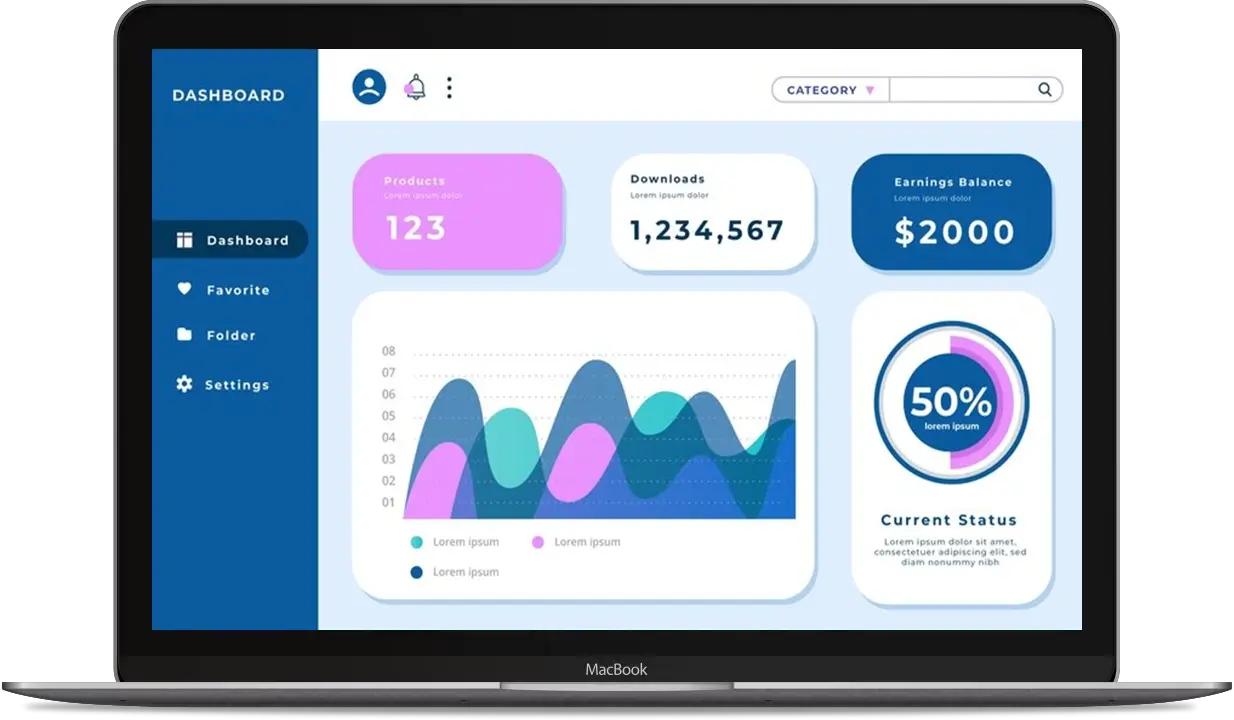
Laptop screen displays
Smartphone app previews
Desktop workspace scenes
Mockups increase perceived value and improve click-through rates.
Step 4: Write SEO-Optimized Product Listings
Well-written listings attract both search engines and buyers.
Include:
Keyword-rich titles
Clear product descriptions
Benefits and features
What's included
File formats
Usage instructions
FAQs
Example
Instead of:
Printable Planner
Use:
Printable Weekly Planner PDF | Minimal Productivity Organizer | Instant Digital Download
Specific, descriptive titles help customers find exactly what they're looking for.
Step 5: Design Social Media Graphics


Different platforms require different visual formats.
Feed posts
Stories
Reels covers
Carousel graphics
Vertical Pins
Tutorials
Product collections
Promotional graphics
Cover banners
Event announcements
Educational graphics
Business updates
TikTok & YouTube Shorts
Eye-catching cover images
Video thumbnails
Design specifically for each platform rather than resizing a single image for all.
Step 6: Create Promotional Banners
Banner graphics support seasonal campaigns and product launches.
Popular banners include:
New Arrival
Flash Sale
Limited-Time Offer
Bundle Discount
Best Seller
Free Download
Holiday Promotion
Keep banners simple, visually balanced, and action-oriented.
Step 7: Build Email Marketing Assets
Email remains one of the most effective marketing channels.
Prepare templates for:
Welcome emails
Product launches
Weekly newsletters
Flash sales
Cart reminders
Product recommendations
Customer thank-you messages
Personalized emails strengthen customer relationships and increase repeat purchases.
Step 8: Publish Valuable Blog Content


Content marketing drives long-term organic traffic.
Popular blog ideas include:
Beginner tutorials
Product comparisons
Buying guides
Industry trends
DIY projects
Customer success stories
For example, a crochet store might publish:
How to Read Crochet Patterns
Best Yarn for Beginners
Easy Amigurumi Projects
Crochet Gift Ideas
Helpful articles position your business as an authority in your niche.
Step 9: Produce Short-Form Videos
Video content often receives more engagement than static graphics.
Ideas include:
Product demonstrations
Time-lapse creation videos
Behind-the-scenes content
Quick tutorials
Customer testimonials
Product previews
Repurpose videos across Instagram Reels, TikTok, Pinterest, Facebook, and YouTube Shorts to maximize reach.
Step 10: Create Lead Magnets
Offer valuable free resources in exchange for email subscriptions.
Examples:
Free crochet pattern
Printable planner
Mini eBook
Budget template
Checklist
Design toolkit
Lead magnets help grow your email list and generate future sales.
Step 11: Showcase Customer Reviews


Social proof increases buyer confidence.
Display:
Customer testimonials
Star ratings
User-generated photos
Product reviews
Success stories
Positive feedback reassures new customers and strengthens your reputation.
Step 12: Plan Seasonal Marketing Campaigns
Create marketing assets in advance for major shopping seasons.
Popular campaigns include:
Valentine's Day
Easter
Mother's Day
Father's Day
Summer Sale
Back-to-School
Halloween
Black Friday
Cyber Monday
Christmas
New Year
Preparing early allows you to launch promotions at the optimal time.
Essential Marketing Asset Checklist
Every digital store should have:
✅ Brand logo
✅ Product mockups
✅ High-quality product images
✅ SEO-optimized listings
✅ Social media graphics
✅ Promotional banners
✅ Email templates
✅ Blog articles
✅ Short-form videos
✅ Lead magnets
✅ Customer testimonials
✅ Seasonal campaign graphics
Recommended Design Tools
Popular tools include:
Canva
Adobe Photoshop
Adobe Illustrator
Figma
Affinity Designer
Photopea
CapCut
DaVinci Resolve
Choose tools that fit your budget and workflow while maintaining a consistent visual identity.
Common Mistakes to Avoid
Avoid these common pitfalls:
❌ Inconsistent branding
❌ Low-quality product images
❌ Weak SEO optimization
❌ Overcrowded designs
❌ Missing calls-to-action
❌ Ignoring mobile users
❌ Infrequent content updates
❌ Not using customer reviews
30-Day Marketing Asset Plan
Week | Objective |
Week 1 | Build your brand identity and create product mockups |
Week 2 | Design product images, promotional banners, and SEO listings |
Week 3 | Create social media graphics, videos, and email templates |
Week 4 | Publish blog content, launch campaigns, collect customer reviews, and analyze results |
Final Thoughts
Creating professional marketing assets is one of the smartest investments you can make for your digital store. Strong branding, compelling visuals, optimized product listings, engaging content, and strategic promotional materials work together to attract visitors and convert them into loyal customers.
Rather than designing assets only when launching a new product, build a reusable marketing library that supports every campaign throughout the year. With consistent branding, high-quality visuals, and ongoing optimization, your digital store can achieve stronger visibility, higher engagement, and sustainable long-term growth.