Meta Title: Monetizing Your Coding Skills: Build Profitable Micro-SaaS Applications in 2026
Meta Description: Learn how developers can build profitable Micro-SaaS applications, attract paying customers, and generate recurring monthly revenue with modern tools and proven strategies.
Monetizing Your Coding Skills: Building Micro-SaaS Applications


The software industry has evolved dramatically over the past decade. Instead of building massive startups that require millions in funding, many developers are earning sustainable incomes by creating Micro-SaaS applications.
A Micro-SaaS is a small software product that solves one specific problem for a niche audience. These businesses often require only one founder, minimal operating costs, and generate recurring monthly subscriptions.
With cloud hosting becoming affordable and AI accelerating development, 2026 is one of the best times to launch a profitable Micro-SaaS.
What Is a Micro-SaaS?
A Micro-SaaS is:
A cloud-based software application
Focused on solving one specific problem
Usually operated by one person or a small team
Generates recurring subscription revenue
Has low operational expenses
Examples include:
AI writing assistants
SEO audit tools
Appointment booking software
CRM systems for freelancers
Inventory management tools
Social media scheduling apps
Invoice generators
Email verification services
Rather than competing with enterprise platforms, Micro-SaaS products dominate narrow niches.
Why Developers Love Micro-SaaS
Unlike freelance work, where income stops when projects end, SaaS generates recurring revenue.
Benefits include:
Monthly subscriptions
Passive income potential
Flexible working hours
Global customer base
Unlimited scalability
Ownership of your product
No client dependency
Many solo developers earn between $2,000 and $50,000+ Monthly Recurring Revenue (MRR) from focused software products.
Find a Painful Problem First


Successful Micro-SaaS businesses don't start with technology.
They start with customer pain.
Look for problems in industries such as:
Healthcare
Education
Real estate
Legal services
Construction
Digital marketing
Ecommerce
Accounting
HR
Local businesses
Ask questions like:
What repetitive tasks consume hours?
What process still relies on spreadsheets?
What software is too expensive?
What manual workflow can be automated?
The bigger the pain, the easier it becomes to sell your solution.
Validate Before Building
One of the biggest mistakes developers make is spending months building software that nobody wants.
Validate your idea by:
Talking to potential users
Creating a landing page
Collecting email signups
Running small ad campaigns
Posting in online communities
Offering early access
If people are willing to pay before launch, you're on the right path.
Build an MVP
The Minimum Viable Product (MVP) should solve only one problem exceptionally well.
Avoid unnecessary features.
Include only:
User authentication
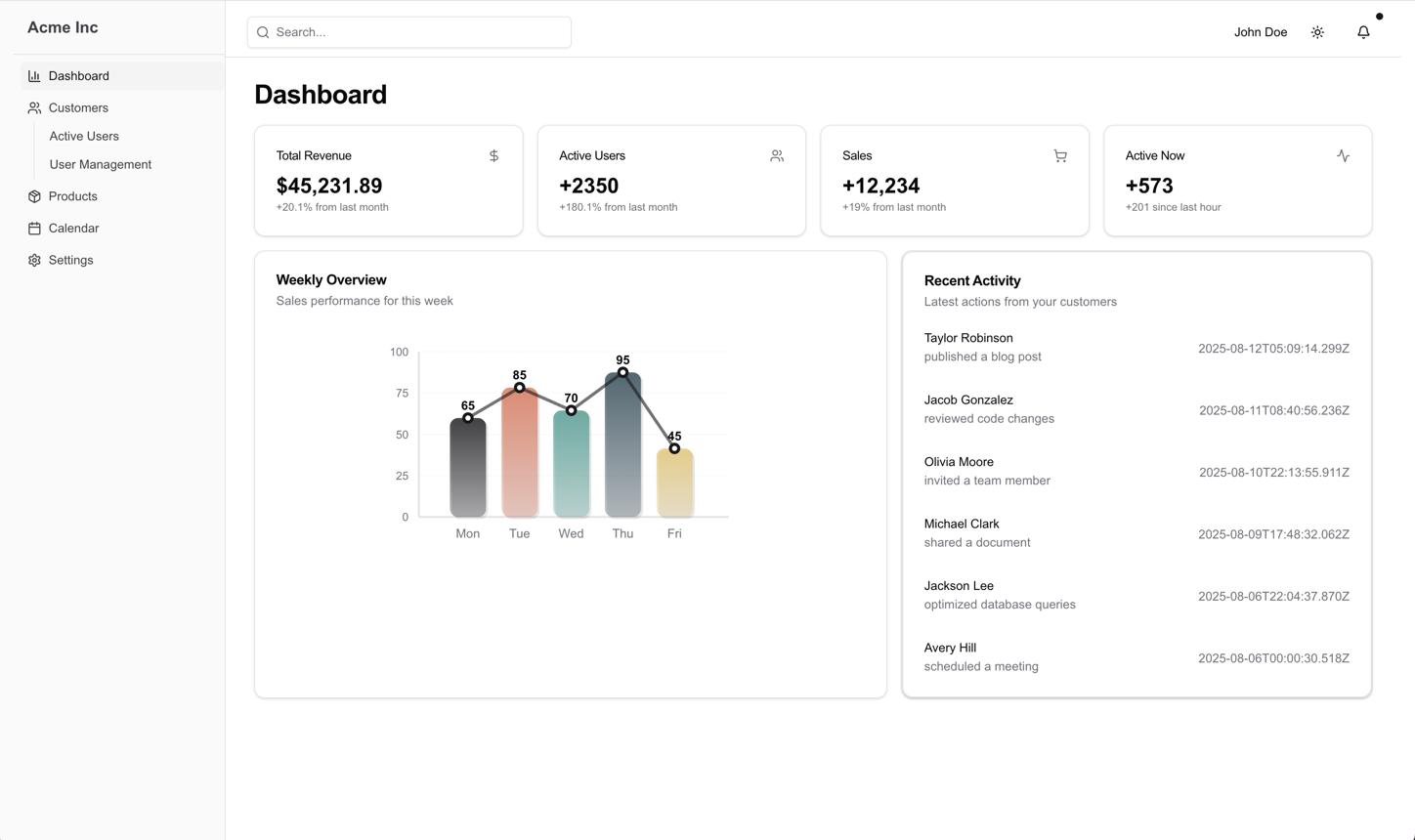
Dashboard
Core feature
Billing
Basic analytics
Customer support
Everything else can come later.
Recommended Tech Stack
Modern developers can launch quickly using:
Frontend
Next.js
React
Tailwind CSS
Backend
Node.js
Express
Next.js API Routes
Database
PostgreSQL
MySQL
Prisma ORM
Authentication
Clerk
Better Auth
Auth.js
Payments
Stripe
PayPal
Hosting
Vercel
DigitalOcean
Railway
Storage
Cloudflare R2
AWS S3
Integrate AI Features


Artificial Intelligence can significantly increase the value of your product.
Popular AI features include:
Content generation
Customer support chatbots
Image generation
SEO recommendations
Data analysis
Code generation
Automatic summaries
Email writing
AI-powered features often justify premium subscription pricing.
Pricing Models
Common pricing strategies include:
Plan | Monthly Price | Features |
Free | $0 | Limited usage |
Starter | $9–19 | Individual users |
Professional | $29–79 | Teams |
Business | $99–299 | Advanced features |
Enterprise | Custom | Dedicated support |
Recurring subscriptions provide predictable revenue and business stability.
Acquire Your First Customers
Marketing is just as important as coding.
Effective acquisition channels include:
SEO
Blogging
YouTube tutorials
LinkedIn
X (Twitter)
Reddit communities
Product Hunt launches
Email newsletters
Affiliate marketing
Referral programs
Publishing educational content consistently helps establish authority and attract organic traffic.
Optimize Customer Retention
Keeping existing customers is cheaper than finding new ones.
Improve retention by:
Delivering fast support
Fixing bugs quickly
Releasing regular updates
Listening to feedback
Adding requested features
Improving performance
Simplifying onboarding
Happy customers become long-term subscribers and advocates.
Revenue Example
Imagine:
500 customers
$19/month subscription
Monthly revenue:
500 × $19 = $9,500 MRR
Annual revenue:
$114,000
With efficient infrastructure and automation, operating costs can remain relatively low, making Micro-SaaS an attractive business model.
Common Mistakes
Avoid these pitfalls:
Building too many features
Ignoring customer feedback
Underpricing your software
Targeting everyone instead of a niche
Skipping marketing
Launching too late
Neglecting security
Poor onboarding experience
Focus on solving one problem exceptionally well.
SEO Tips for Your Micro-SaaS
To grow organically:
Publish detailed tutorials
Write comparison articles
Create case studies
Target long-tail keywords
Build backlinks
Optimize Core Web Vitals
Add structured data
Create feature landing pages
Update content regularly
High-quality educational content can become a consistent source of qualified traffic.
The Future of Micro-SaaS
As AI, cloud computing, and no-code tools continue to evolve, launching software businesses is becoming more accessible than ever. Developers who combine technical expertise with a deep understanding of customer needs can build sustainable, recurring revenue streams without large teams or outside investment.
The most successful Micro-SaaS founders don't try to build the next giant software platform. Instead, they focus on solving a single, meaningful problem better than anyone else. With persistence, customer feedback, and continuous improvement, even a small application can grow into a profitable business that generates income for years.
Frequently Asked Questions
How much money can a Micro-SaaS generate?
Revenue varies widely, from a few hundred dollars per month to tens of thousands in monthly recurring revenue, depending on pricing, customer acquisition, and retention.
Do I need a large team?
No. Many successful Micro-SaaS products are built and maintained by solo developers or very small teams.
What is the biggest challenge?
Finding a real customer problem and consistently attracting paying users are often more challenging than building the software itself.
Can AI improve a Micro-SaaS?
Yes. AI features such as automation, content generation, data analysis, and intelligent recommendations can increase customer value and support higher pricing.
Focus Keyword: Monetizing Your Coding Skills with Micro-SaaS
Secondary Keywords: Micro-SaaS, SaaS business, recurring revenue, solo developer, subscription software, Next.js SaaS, AI SaaS, software entrepreneurship, developer income, build SaaS in 2026.