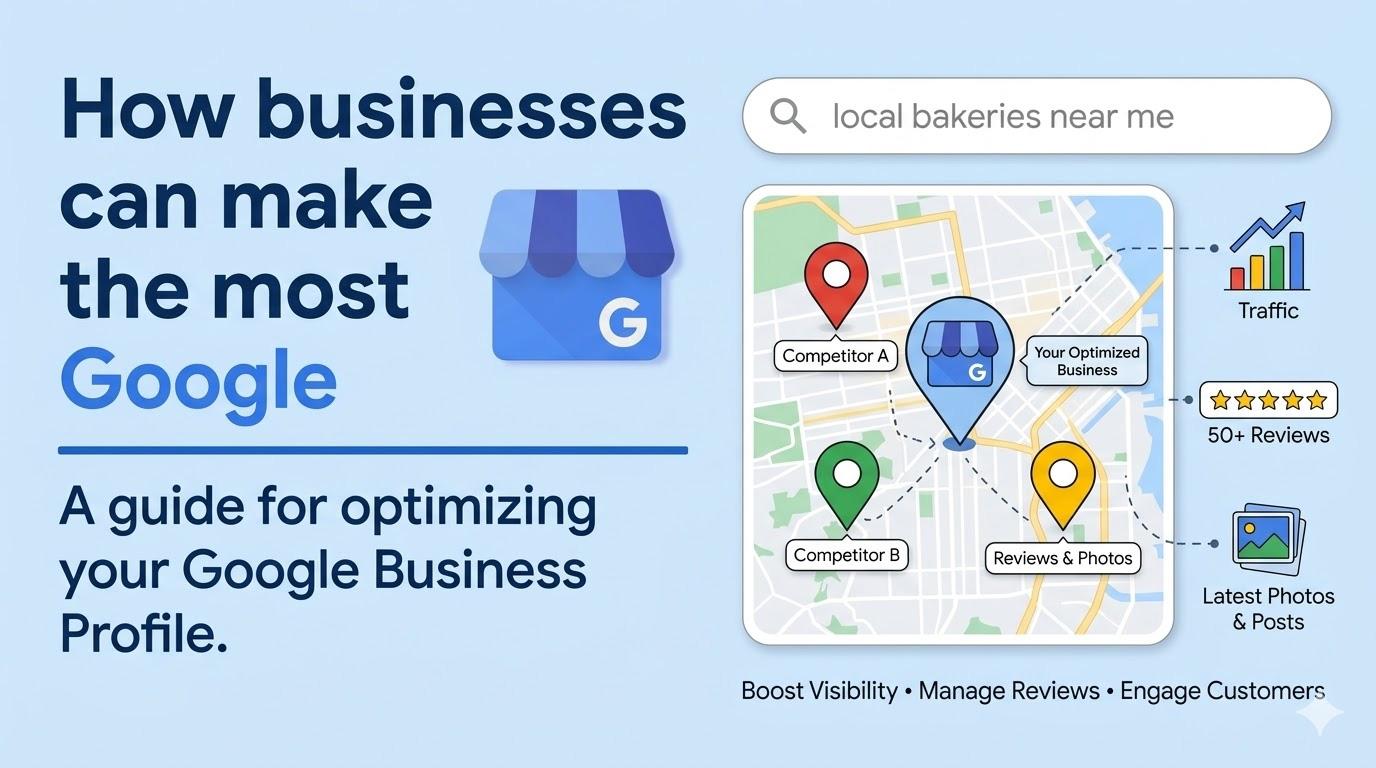
Search Engine Optimization (SEO) remains one of the most effective digital marketing strategies for increasing website traffic, building brand authority, and generating long-term revenue. While search engines continue to evolve, the core principles of creating valuable, user-focused content remain unchanged.
This comprehensive guide explores the latest SEO best practices, helping you improve your rankings and attract more organic visitors in 2026.
What Is SEO?


SEO (Search Engine Optimization) is the process of improving a website so that it appears higher in search engine results for relevant keywords.
The primary goals of SEO include:
Increasing organic traffic
Improving website visibility
Building trust and authority
Generating qualified leads
Boosting online sales
A successful SEO strategy combines technical optimization, high-quality content, and a positive user experience.
1. Keyword Research


Keyword research is the foundation of every SEO campaign.
Best Practices
Target long-tail keywords with clear user intent.
Analyze search volume and competition.
Group related keywords into topic clusters.
Include keywords naturally in titles and headings.
Avoid keyword stuffing.
Example Keywords
Best SEO tools
SEO for beginners
Website SEO checklist
Technical SEO guide
Local SEO tips
2. Create Helpful, High-Quality Content


Search engines reward content that genuinely helps users answer their questions.
Write Content That
Solves real problems
Answers common questions
Uses clear headings
Includes examples and visuals
Is regularly updated
Long-form, well-structured articles often perform well when they fully satisfy search intent.
3. Optimize On-Page SEO


Each page should include optimized elements.
On-Page Checklist
SEO-friendly title tag
Compelling meta description
One H1 heading
Descriptive H2 and H3 headings
Optimized images
Internal links
External links to trusted resources
Readable URLs
4. Improve Technical SEO


Technical SEO ensures search engines can crawl and index your website efficiently.
Focus On
Fast loading speeds
Mobile responsiveness
Secure HTTPS
XML sitemap
Robots.txt optimization
Clean site architecture
Fixing broken links
Core Web Vitals
A technically sound website provides a better experience for both users and search engines.
5. Build High-Quality Backlinks


Backlinks from reputable websites remain an important ranking signal.
Ethical Link-Building Strategies
Publish original research
Write guest articles
Create shareable infographics
Produce useful guides
Build relationships with industry websites
Avoid buying links or participating in spammy link schemes.
6. Optimize Images for SEO


Images improve engagement, but they should also be optimized.
Tips
Compress image sizes
Use descriptive file names
Add meaningful alt text
Choose modern formats like WebP when possible
Enable lazy loading
Well-optimized images can also appear in image search results.
7. Focus on User Experience (UX)


Search engines increasingly reward websites that provide a great user experience.
Improve UX By
Simplifying navigation
Using readable fonts
Reducing intrusive pop-ups
Improving accessibility
Keeping layouts clean and responsive
Visitors who enjoy using your site are more likely to stay longer and return.
8. Local SEO


If you serve customers in a specific region, local SEO can help attract nearby audiences.
Local SEO Checklist
Keep your business information consistent across the web.
Encourage customer reviews.
Create location-specific pages.
Add local keywords naturally.
Use structured data where appropriate.
9. Measure SEO Performance
Track your progress using analytics and search performance tools.
Important metrics include:
Organic traffic
Keyword rankings
Click-through rate (CTR)
Bounce rate
Average engagement time
Conversion rate
Indexed pages
Backlink growth
Regular analysis helps identify opportunities for improvement.
Common SEO Mistakes
Avoid these common pitfalls:
Publishing thin or duplicate content
Ignoring mobile users
Slow page loading
Broken internal links
Keyword stuffing
Poor site structure
Outdated content
Missing image optimization
SEO Trends for 2026
The future of SEO is shaped by user intent, content quality, and emerging technologies.
Key trends include:
AI-assisted content creation with human editing
Greater emphasis on topical authority
Faster, mobile-first websites
Rich results through structured data
Voice and conversational search optimization
Video and visual search growth
Stronger focus on experience, expertise, authoritativeness, and trustworthiness (E-E-A-T)
Final Thoughts
SEO is a long-term investment that delivers sustainable results when done correctly. By combining keyword research, helpful content, technical optimization, quality backlinks, and an outstanding user experience, you can improve your search visibility and attract more qualified visitors.
Rather than chasing shortcuts, focus on creating content that answers users' questions better than competing pages. Consistent improvements, regular updates, and attention to technical performance will help your website remain competitive as search engines continue to evolve.


